


Main Street’s Idea Gallery from Missouri’s Premier Downtown Revitalization Conference
Logan Breer | June 23, 2026
Conference is the place to learn, which is exactly what happened at this year’s “The Roaring 20th Anniversary of Missouri Main Street Connection” conference in Springfield, Missouri.
MMSC curated every session at the conference to deepen an attendee’s knowledge and equip them to shape their community’s future. Attendees from communities of all sizes across Missouri embraced the next chapter of Main Street focused on the needs of today’s communities, which builds upon Missouri Main Street Connection’s (MMSC) 20 years of success.
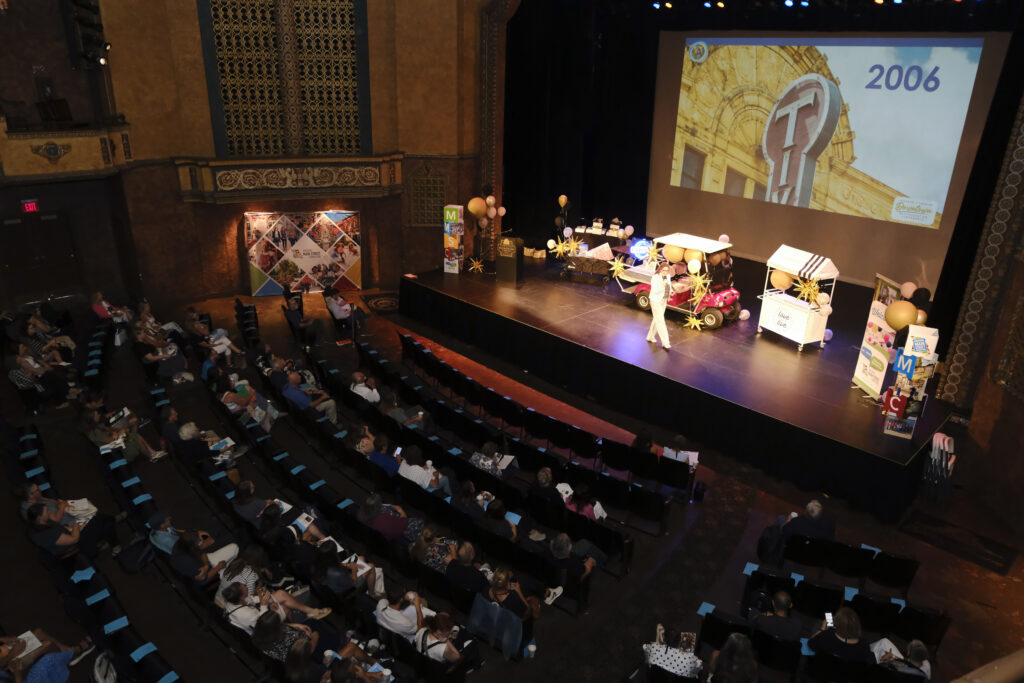
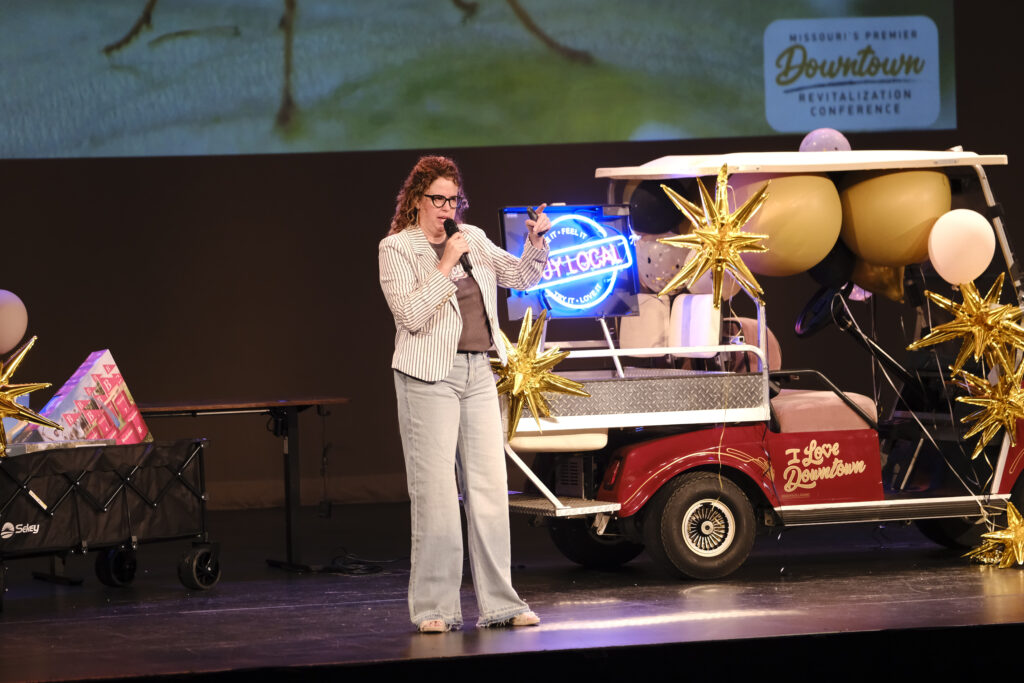
Deb Turcott inspired attendees, and us, during the Opening Keynote Assembly, “Leadership Lives on Main!” with her 20 takeaways, including the concept of an idea gallery. Deb shared that many volunteers have amazing ideas, but they may not align with the organization’s current goals, transformation strategies, or capacity. She explained that when she was a director, she would ask people to pin their ideas to the idea gallery to keep them in mind for future opportunities to incorporate them into action plans when people and funding come together. Let’s look at some of the things that made it to the 2026 Missouri’s Premier Downtown Revitalization Conference Idea Gallery and are sure to be implemented in the near future.
1. Executive directors and board members experience the same obstacles.
Dr. Steven Hoffman and Norma Ramirez de Miess led a Board Leadership Deep Dive that invited boad members and their executive directors to participate in learning together about leadership dynamics. We heard from one of the 60 leaders who participated in the round table discussion that they learned, “executive directors and board members experience the same obstacles.”
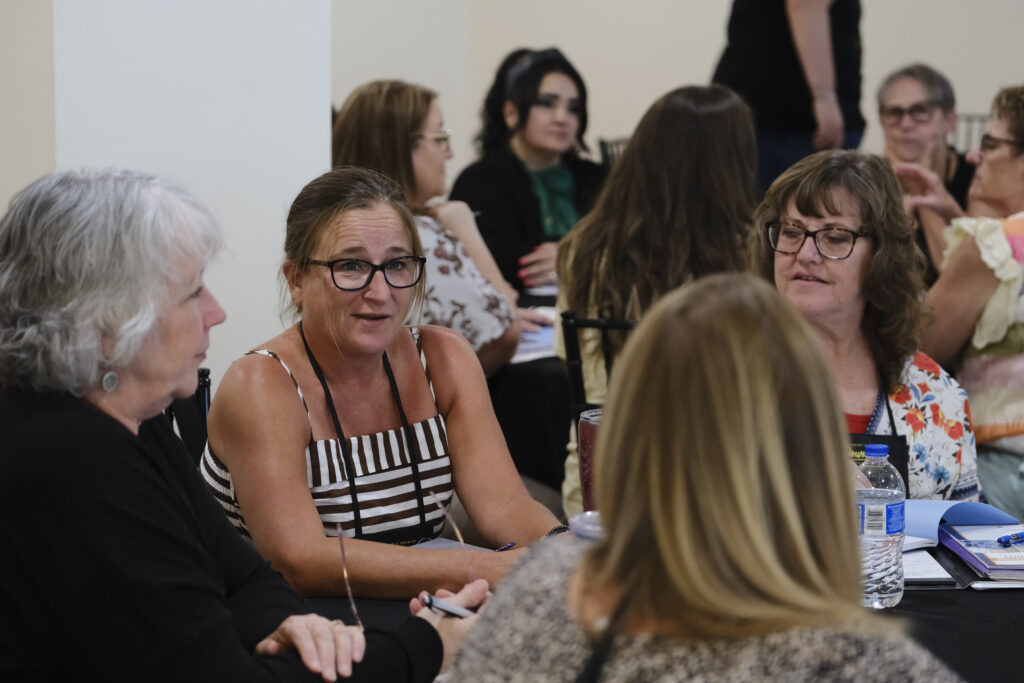
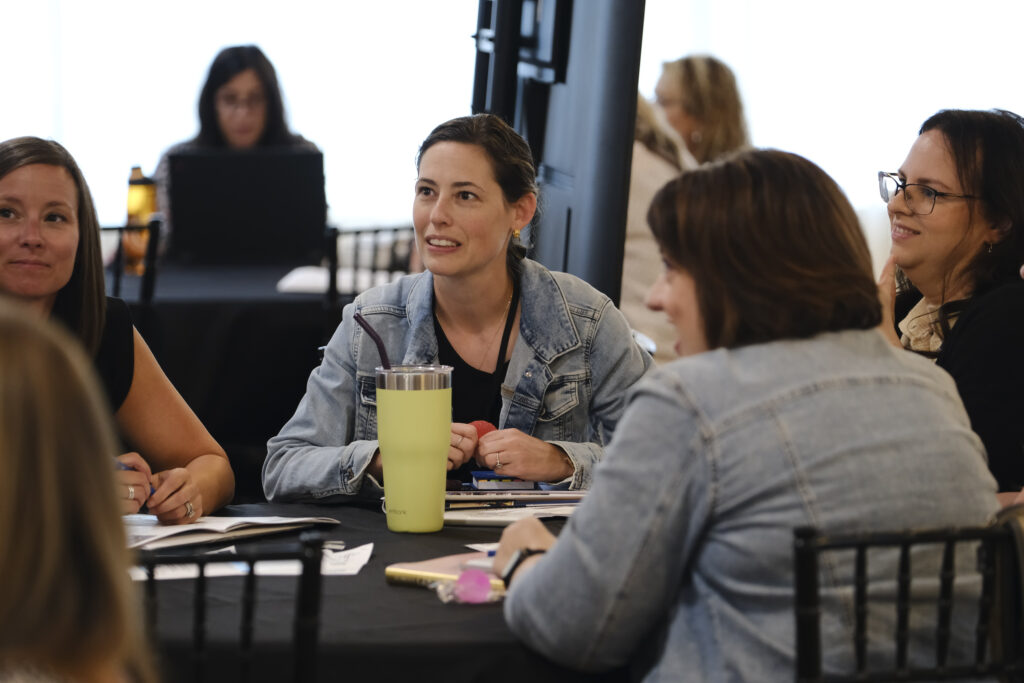
This is a great point that also connects to Deb’s 12th point, “the lonely light.” Many times in the work of Main Street we can silo ourselves into thinking we are the only ones working hard, putting in the extra hours, are fully commited, and that face the challenges head on. Deb brought forward the illustration of the last light on at the ice cream parlor. The idea that you are the last person working diligently to get a goal accomplished. That may be true; Main Street is definitely hard work, but Main Street is most fruitful when people come together. It is also true that Main Street is a shared mission. While each staff member and/or volunteer has their own individual strengths, Main Street fails or succeeds as a team. So when obstacles come up, we are inspired to look at our teammates and tackle the challenge in front of us together because we know the power of Main Street comes from working together.
2. The possibilities available through donations and planned giving
Bridgette Kelch led the, “Securing Tomorrow’s Main Street: A Beginner’s Guide to Planned Giving,” session where many attendees were inspired with how they could use donations and planned giving to fund big projects and cover operating costs. Attendees connected the dots in huge ways from the steps for requesting funds to leveraging those funds through investment accounts to offset organizational expenses. Donations and planned giving fits perfectly into the Main Street 30-30-30-10 funding model within the private sector both within and outside of the district.
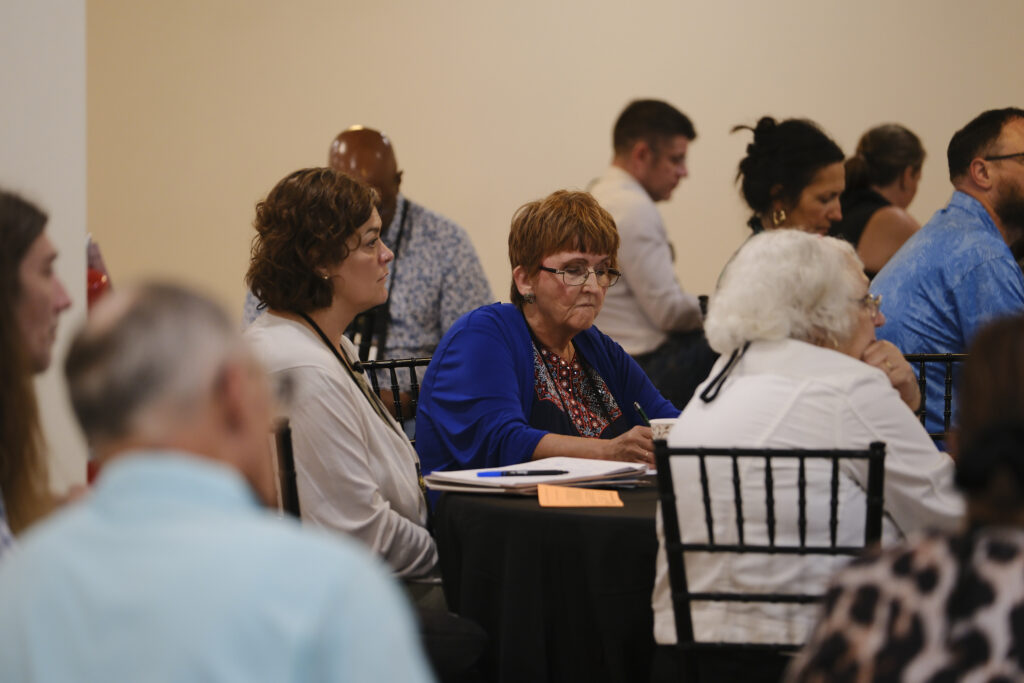
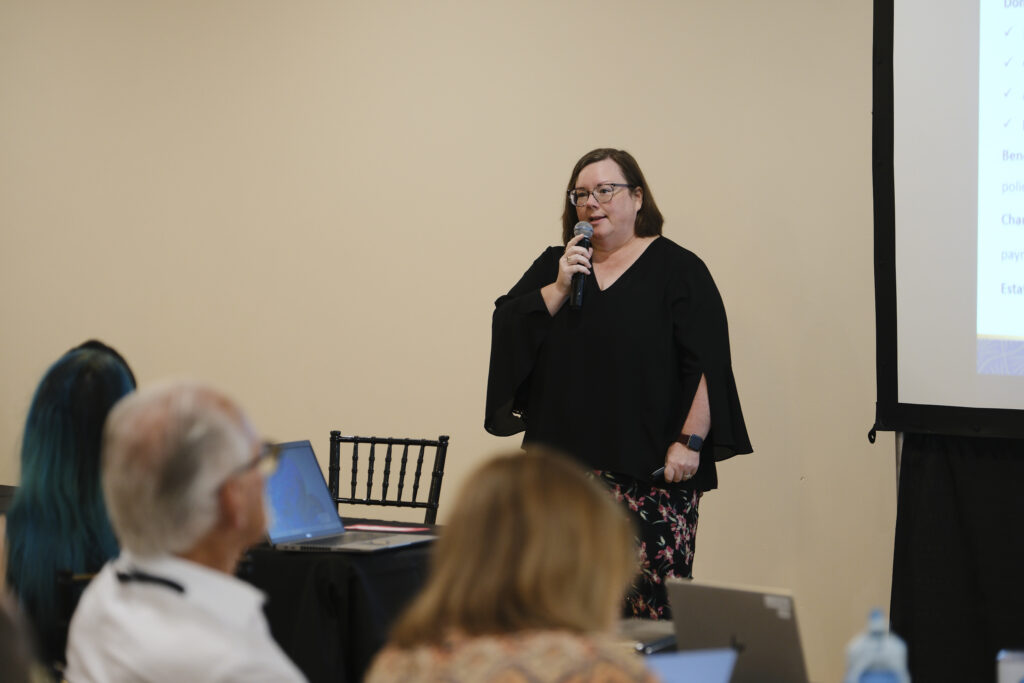
Thinking of Deb’s 19th point, ”you have to start somewhere,” which is exactly where many session attendees were. They were interested in this new but old way of raising funds and looking to take action back home. Several took note of Bridgette’s recommendation to bring a Certified Public Accountant along when meeting with possible donors or planned giving individuals to help both parties navigate the conversaion around the benefits of the different options and the paper work.
3. There are solutions for misused or vacant buildings.
Nick Findley, Raven Powell, and Markus Haskins shared how Dutchtown Main Streets is encouraging vacant property owners to repair, sell, or donate their property during their session, “Opening Doors: Fighting Vacancy and Fostering Opportunity.” Dutchtown Main Streets has utilized city codes, state statues, and a local vacancy abatement program to politely but firmly disincentivize absentee property ownership.
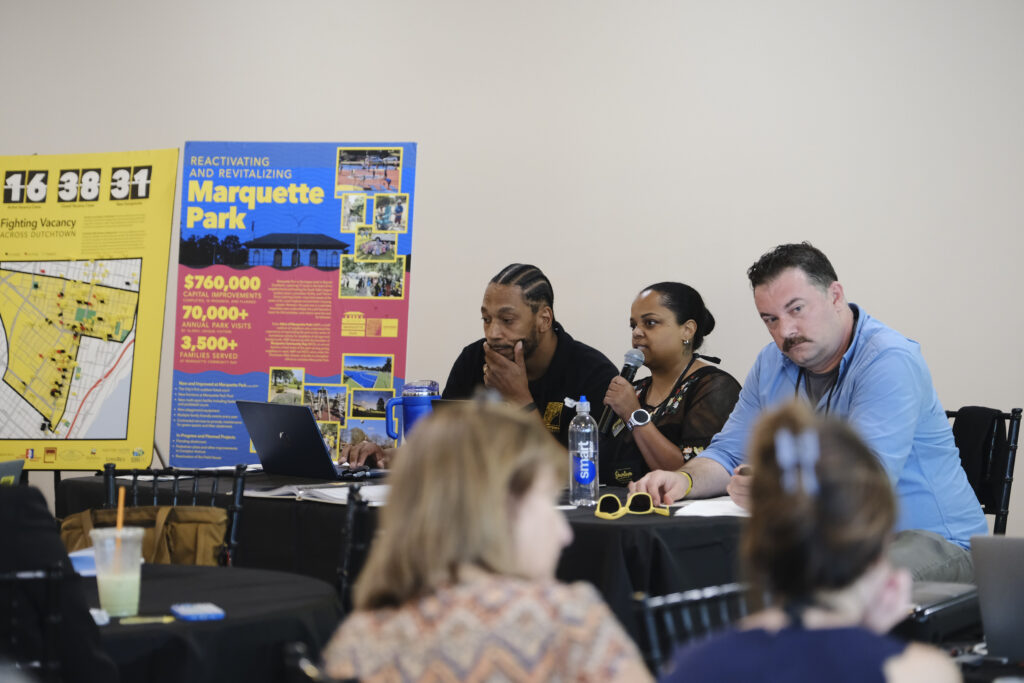
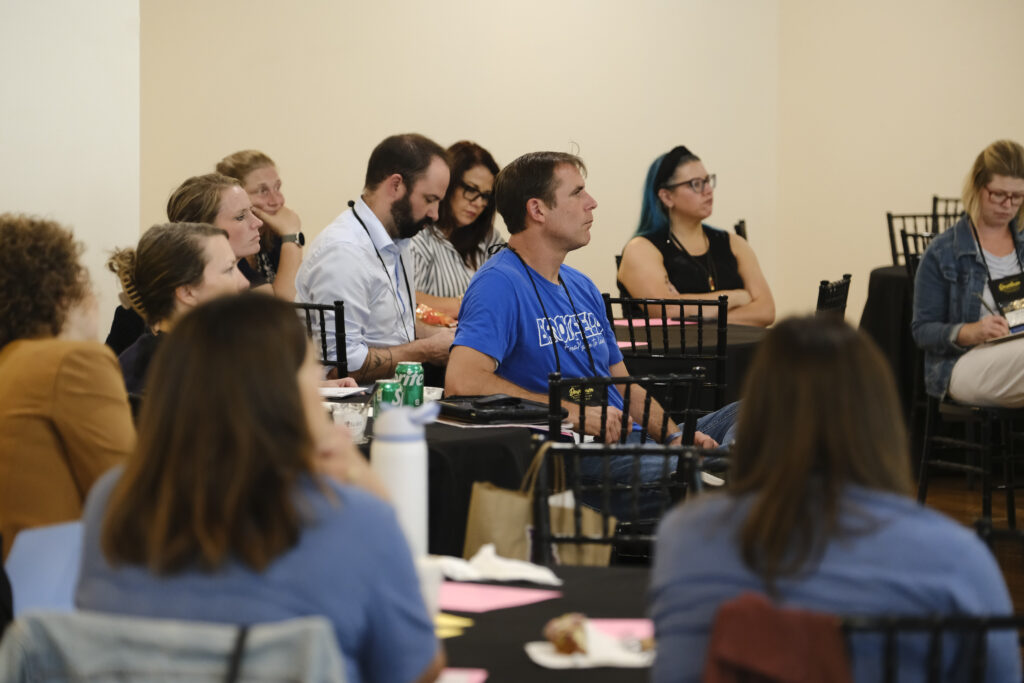
While Missouri is home to communities of all sizes, one thing many, if not all, communities have in common is absentee property owners and underutilized buildings. Leading to comments such as: “I learned a lot about Dutchtown and their focus on challenging vacancies;” “The process of addressing vacancies through litigation was very interesting;” and “I enjoyed the examples of how they made a blighted area a home.” This proves first and foremost that we all can learn from each other no matter the size, that the Main Street principles can apply to every community, and Deb’s 20th point, “that size does not matter,” it is the determination to work and stack small wins together that matter.
If these three ideas were interesting, then find someone in your community or a surrounding community that attended the 2026 Missouri’s Premier Downtown Revitalization Conference to ask them what they learned. We guarantee that you will be inspired by how much they learned from two days with MMSC at “The Roaring 20th Anniversary of Missouri Main Street Connection” conference.
MMSC is excited to see you in 2027!


